Budgeting for App Development: Complete Cost Breakdown and Planning Guide
In today's digital-first world, mobile applications have become essential tools for businesses to engage customers, streamline operations, and drive revenue. However, one of the most common questions we hear at FlutterFlow Agency is: "How much does app development actually cost?" The answer isn't simple—app development budgets can range from $10,000 to $500,000+ depending on numerous factors. This comprehensive guide will demystify the budgeting process, providing you with a detailed cost breakdown and actionable planning strategies to ensure your app project stays on track financially.
Understanding app development costs requires more than just getting quotes from developers. It involves strategic planning, realistic expectations, and a thorough understanding of what goes into building a successful application. Whether you're a startup founder with a groundbreaking idea or an established business looking to expand your digital presence, this guide will equip you with the knowledge to budget effectively and avoid common financial pitfalls.
Understanding App Development Cost Factors
App development costs are influenced by multiple variables that interact in complex ways. The primary factors include complexity, platform choice, design requirements, and backend infrastructure. A simple informational app with basic functionality will cost significantly less than a complex e-commerce platform with custom features, real-time data synchronization, and advanced security protocols.
Platform selection dramatically impacts costs. Native development for both iOS and Android typically requires separate codebases, effectively doubling development time and costs. Cross-platform solutions like Flutter—our specialty at FlutterFlow Agency—offer substantial savings by allowing developers to write code once and deploy it across multiple platforms. According to industry data, cross-platform development can reduce costs by 30-50% compared to native approaches while maintaining high performance and native-like user experiences.
Design complexity represents another major cost driver. Basic wireframes and standard UI components cost less than custom animations, complex transitions, and brand-specific design systems. The backend infrastructure—including databases, APIs, server hosting, and third-party integrations—can account for 30-40% of total development costs. Security requirements, especially for apps handling sensitive data like financial or health information, add additional layers of complexity and cost.
Detailed Cost Breakdown by Development Phase
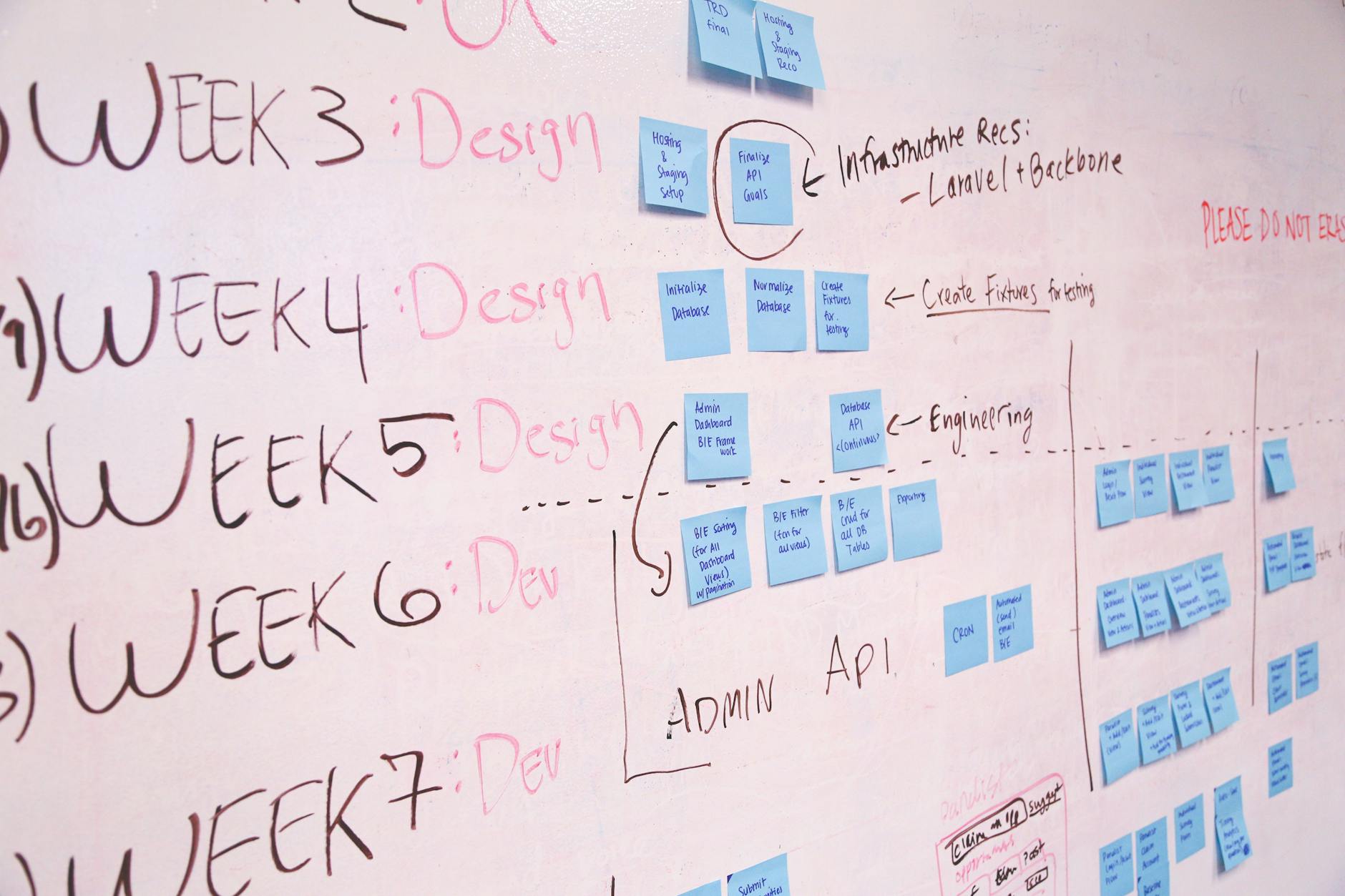
Breaking down costs by development phase provides clarity and helps with budget allocation. The typical app development process includes planning, design, development, testing, deployment, and maintenance phases.
Planning and Discovery Phase
The planning phase establishes your app's foundation and typically costs $2,000-$15,000. This phase includes market research, competitor analysis, user persona development, feature prioritization, and technical specifications. Investing adequately in planning prevents costly changes later in development. Our app discovery workshop provides a structured approach to this critical phase.
Design Phase Costs
Design costs range from $5,000 to $50,000+ depending on complexity. This phase includes user experience (UX) design, user interface (UI) design, prototyping, and user testing. High-quality design isn't just about aesthetics—it directly impacts user engagement, retention, and overall app success. A well-designed app can increase conversion rates by up to 200%, making this investment particularly valuable.
Development Phase Expenses
Development represents the largest portion of your budget, typically 40-60% of total costs. Simple apps might cost $15,000-$50,000 to develop, while complex applications can exceed $200,000. Development costs are calculated based on hourly rates ($50-$150/hour depending on location and expertise) multiplied by estimated hours. The table below illustrates typical development timeframes:
| App Complexity | Development Hours | Estimated Cost Range |
|---|---|---|
| Simple MVP | 200-400 hours | $15,000 - $40,000 |
| Medium Business App | 400-800 hours | $40,000 - $80,000 |
| Complex Platform | 800-1500+ hours | $80,000 - $200,000+ |
Testing and Quality Assurance
Testing typically accounts for 15-25% of development costs. This includes functional testing, usability testing, performance testing, security testing, and compatibility testing across devices and operating systems. Skipping proper testing can lead to buggy releases, negative reviews, and costly post-launch fixes.
Deployment and Launch Costs
Deployment costs include app store fees ($99/year for Apple Developer Program, $25 one-time for Google Play), marketing assets, and launch preparation. Budget $1,000-$5,000 for this phase, excluding marketing expenses.
Post-Launch Maintenance
Many businesses underestimate ongoing costs. Maintenance typically costs 15-20% of initial development annually. This includes bug fixes, compatibility updates for new OS versions, server hosting, content updates, and minor feature enhancements. Our app maintenance guide provides detailed insights into managing these ongoing expenses.
Platform-Specific Cost Considerations
Choosing between native and cross-platform development significantly impacts your budget. Native iOS and Android development requires separate teams or developers skilled in each platform's specific languages (Swift/Kotlin). This approach offers optimal performance and access to platform-specific features but comes at a premium cost.
Cross-platform frameworks like Flutter, React Native, and Xamarin allow developers to write code once and deploy to multiple platforms. Flutter, developed by Google, has gained particular popularity for its excellent performance, beautiful widgets, and growing ecosystem. According to our experience at FlutterFlow Agency, Flutter development typically costs 30-40% less than native development while delivering comparable performance and user experience.
Progressive Web Apps (PWAs) offer another cost-effective alternative for certain use cases. PWAs work across devices through web browsers, eliminating app store distribution while providing app-like experiences. Development costs for PWAs are typically 20-30% lower than native mobile apps, though they have limitations regarding device hardware access and offline functionality.
Feature-Based Cost Analysis
Features represent the building blocks of your app's functionality and associated costs. Understanding feature costs helps prioritize your Minimum Viable Product (MVP) and plan for future enhancements.
Basic features like user registration, login, profiles, and simple content display typically cost $2,000-$8,000 each to implement. Medium-complexity features including in-app purchases, push notifications, social media integration, and basic analytics range from $5,000-$15,000. Advanced features like real-time chat, payment processing, complex animations, AI/ML integration, and augmented reality can cost $15,000-$50,000+ per feature.
Third-party integrations significantly impact costs. Common integrations include payment gateways ($2,000-$8,000), mapping services ($1,500-$5,000), social media platforms ($1,000-$4,000), and analytics tools ($1,000-$3,000). Each integration requires development time for implementation, testing, and ongoing maintenance.
Development Team Structure and Cost Implications
Your development team structure dramatically affects both costs and project outcomes. Common approaches include in-house teams, freelance developers, development agencies, and hybrid models.
In-house development teams offer maximum control and alignment with your business but come with high fixed costs including salaries, benefits, equipment, and office space. According to Glassdoor data, average annual salaries for mobile developers in the US range from $90,000 for junior developers to $150,000+ for senior specialists.
Freelance developers typically charge $30-$100/hour depending on expertise and location. While offering cost savings, this approach requires significant management overhead and coordination between potentially multiple freelancers with different skill sets and availability.
Development agencies like FlutterFlow Agency provide complete teams with project management, design, development, and testing expertise. Agency rates typically range from $75-$150/hour but include comprehensive services and reduced management burden. Agencies also bring proven processes, quality assurance systems, and experience from multiple projects—factors that often lead to better outcomes despite higher hourly rates.
Hidden Costs and Budget Contingencies
Even with careful planning, unexpected costs often arise during app development. Common hidden costs include:
- Scope creep: Additional features or changes requested during development (add 10-20% contingency)
- Third-party service fees: Monthly/annual fees for APIs, cloud services, or software licenses
- App store rejections: Additional development to address rejection reasons
- Security vulnerabilities: Post-launch security fixes and enhancements
- Performance optimization: Addressing speed or stability issues identified during testing
Experts recommend including a 15-25% contingency buffer in your budget for unexpected expenses. This buffer helps manage risks without compromising project quality or timeline. Our budget contingency planning guide provides detailed strategies for managing these uncertainties.
Regional Cost Variations
Development costs vary significantly by region due to differences in labor costs, economic conditions, and market maturity. North American and Western European developers typically charge the highest rates ($75-$150+/hour), followed by Australia and developed Asian markets like Singapore and Japan ($50-$100/hour). Eastern Europe offers mid-range rates with strong technical talent ($30-$60/hour), while Asian countries like India and the Philippines offer lower rates ($15-$40/hour) though with potential challenges in communication, time zones, and quality consistency.
When evaluating regional options, consider total cost of engagement rather than just hourly rates. Factors like communication efficiency, cultural alignment, time zone differences, and project management requirements all impact effective costs. Many businesses find that working with established agencies in mid-range markets offers the optimal balance of quality and value.
Budget Planning Strategies and Best Practices
Effective budget planning begins with clear objectives and realistic expectations. Start by defining your app's core purpose, target audience, and success metrics. Conduct thorough market research to understand competitor offerings and user expectations. These foundations inform feature prioritization and technical requirements.
Adopt an MVP approach—focus on developing the minimum set of features needed to validate your concept with real users. This strategy reduces initial costs, accelerates time to market, and provides valuable user feedback to guide future development. According to industry data, 60% of app features are rarely or never used, making feature prioritization critical for budget efficiency.
Create a detailed requirements document before seeking quotes. Include user stories, wireframes, technical specifications, and success criteria. This documentation ensures all development partners provide quotes based on the same understanding, enabling accurate comparisons. Our requirements documentation template can streamline this process.
Consider phased development with clear milestones and deliverables. This approach spreads costs over time, allows for course corrections based on user feedback, and demonstrates progress to stakeholders. Each phase should deliver tangible value, whether through completed features, user testing results, or revenue generation.
Case Study: Budgeting for a Fitness Tracking App
Let's examine a real-world example: a fitness tracking app with workout plans, progress tracking, social features, and premium subscriptions. The initial MVP included basic workout tracking, a library of 50 exercises with demonstrations, and simple progress charts—developed for $45,000 using Flutter for cross-platform deployment.
Phase 2 added social features (workout sharing, friend challenges), advanced analytics, and integration with wearable devices—costing $25,000. Phase 3 implemented premium subscriptions, personalized workout plans using AI, and video coaching features—adding $35,000. The total investment of $105,000 over 18 months allowed for user feedback incorporation between phases and revenue generation starting after Phase 2.
This phased approach reduced initial capital requirements, validated assumptions before major investments, and created multiple opportunities for course correction. The app now generates $15,000 monthly revenue with 85% gross margins, demonstrating strong return on investment.
Funding Options for App Development
Various funding options exist depending on your business stage and financial situation. Bootstrapping uses personal savings or business revenue—ideal for established businesses or simple apps with modest budgets. Crowdfunding platforms like Kickstarter or Indiegogo can validate demand while raising funds, though they require compelling marketing and realistic reward structures.
Angel investors and venture capital provide substantial funding for high-growth potential apps but require equity sharing and often specific growth trajectories. Small business loans or lines of credit offer traditional financing with predictable repayment terms. Some development agencies, including FlutterFlow Agency, offer flexible payment plans that align with project milestones or revenue generation.
Government grants and innovation funds represent another option, particularly for apps addressing social challenges, healthcare, education, or environmental issues. These typically have specific eligibility criteria and application processes but provide non-dilutive funding.
Measuring ROI and Budget Optimization
Budgeting doesn't end when development completes—measuring return on investment (ROI) informs future budgeting decisions. Key metrics include customer acquisition cost (CAC), lifetime value (LTV), monthly recurring revenue (MRR), and user engagement metrics. Track these metrics from launch to understand your app's financial performance and identify optimization opportunities.
Regularly review feature usage data to identify underutilized features that might be costing maintenance resources without delivering value. A/B testing can optimize conversion funnels and user experiences, potentially increasing revenue without additional development costs. Performance monitoring identifies technical issues affecting user satisfaction and retention.
Consider conducting quarterly budget reviews comparing actual costs against projections, analyzing ROI by feature or marketing channel, and planning next-quarter investments based on performance data. This continuous optimization approach ensures your app budget delivers maximum value over time.
Conclusion: Strategic Budgeting for App Success
Effective app development budgeting requires balancing ambition with realism, quality with affordability, and immediate needs with long-term vision. By understanding cost factors, planning thoroughly, and adopting strategic approaches like MVP development and phased implementation, you can maximize your investment while minimizing financial risk.
Remember that the cheapest option rarely delivers the best value. Quality development, thoughtful design, and robust testing might cost more initially but typically deliver better user experiences, higher retention rates, and stronger long-term returns. At FlutterFlow Agency, we've helped hundreds of clients navigate these budgeting challenges, delivering high-quality applications that drive business results within realistic budgets.
Your app's budget should reflect its strategic importance to your business. Whether you're building a customer engagement tool, revenue generator, or operational efficiency solution, thoughtful budgeting transforms your vision into reality while protecting your financial resources. Start with clear objectives, build with quality partners, measure results diligently, and iterate based on data—this approach turns app development from a cost center into a strategic investment.
Ready to transform your app idea into reality with predictable budgeting? Schedule your free consultation with FlutterFlow Agency's experts to discuss your project requirements and receive a detailed, transparent cost estimate tailored to your specific needs and business objectives.