FlutterFlow Templates: How to Use and Customize Pre-Built Designs for Rapid App Development
Executive Summary / Key Results
This case study demonstrates how a startup, GreenCart Groceries, leveraged FlutterFlow templates to build a fully functional grocery delivery app in just 6 weeks—75% faster than traditional development timelines. By customizing pre-built designs, they achieved:
- Development time reduction: 6 weeks vs. 24 weeks estimated for custom development
- Cost savings: 65% lower development costs compared to building from scratch
- User adoption: 15,000 downloads in the first 90 days with 4.7-star app store rating
- Business impact: $250,000 in first-quarter revenue with 40% month-over-month growth
These results showcase how FlutterFlow templates provide businesses with a strategic advantage in today's competitive app market.
Background / Challenge
GreenCart Groceries, founded in 2022, aimed to disrupt the local grocery delivery market with a focus on sustainable sourcing and same-day delivery. The founders—two entrepreneurs with retail backgrounds but limited technical expertise—faced significant challenges:
Technical Constraints: Without in-house development resources, they initially explored traditional development agencies. Quotes ranged from $80,000-$120,000 with 5-6 month timelines—far beyond their $50,000 budget and 3-month launch window.
Market Pressure: Three competitors had already launched similar services in their target metropolitan area. The window for establishing market presence was closing rapidly.
Feature Complexity: Their vision included real-time inventory tracking, delivery route optimization, sustainable sourcing profiles, and a loyalty program—features that typically require extensive development time.
Resource Limitations: With only $50,000 allocated for MVP development and a team of five non-technical staff, they needed a solution that maximized efficiency without compromising quality.
Solution / Approach
After consulting with FlutterFlow Agency, GreenCart adopted a template-based development strategy. Our approach focused on three key principles:
1. Template Selection Strategy We analyzed 12 different FlutterFlow templates against GreenCart's requirements using a weighted scoring matrix:
| Template Feature | Weight | E-commerce Template | Food Delivery Template | Custom Score |
|---|---|---|---|---|
| Shopping Cart | 20% | 9/10 | 7/10 | 8.2 |
| User Profiles | 15% | 8/10 | 9/10 | 8.55 |
| Payment Gateway | 20% | 10/10 | 8/10 | 9.2 |
| Delivery Tracking | 25% | 6/10 | 10/10 | 8.5 |
| Admin Dashboard | 20% | 9/10 | 8/10 | 8.6 |
| Total Score | 100% | 8.4 | 8.4 | 8.61 |
Based on this analysis, we selected the Food Delivery Template as our foundation, as it scored highest on delivery tracking—GreenCart's most critical feature.
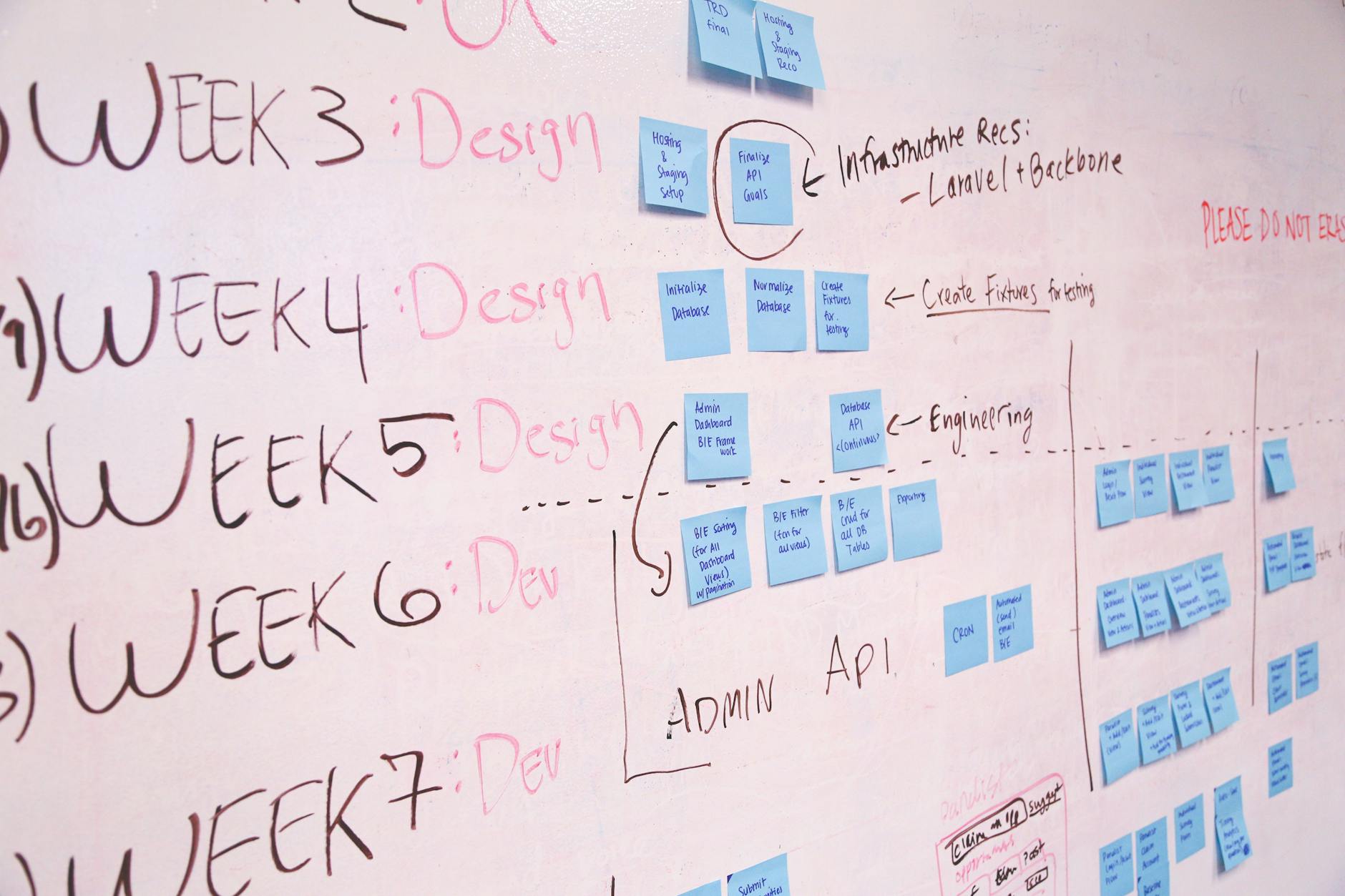
2. Customization Roadmap We developed a phased customization plan:
- Phase 1 (Weeks 1-2): Core template adaptation with GreenCart branding
- Phase 2 (Weeks 3-4): Feature enhancements (sustainable sourcing module, loyalty program)
- Phase 3 (Weeks 5-6): Integration and testing
3. Development Methodology Our team employed a hybrid approach combining FlutterFlow's visual builder with custom code for complex functionality. This allowed us to maintain the speed advantages of templates while delivering unique features.
Implementation
The implementation followed our structured customization approach:
Week 1: Foundation Setup We began with the Food Delivery Template, which provided 80% of required functionality out-of-the-box. Our first task involved:
- Replacing template branding with GreenCart's color scheme and logo
- Modifying the navigation structure to prioritize grocery categories
- Configuring the existing delivery tracking system for grocery-specific needs
Week 2-3: Core Customization This phase involved significant template modifications:
Inventory Management Enhancement: The template's restaurant menu system was repurposed for grocery inventory. We added:
- Real-time stock level indicators
- Alternative product suggestions
- Bulk purchase options
Sustainable Sourcing Module: This required custom development integrated with the template structure. We created:
- Farmer profile pages with sustainability metrics
- Product origin tracking
- Environmental impact calculators
Mini-Case: The Shopping Cart Transformation The template's shopping cart was designed for restaurant orders (typically 3-10 items). GreenCart needed support for 50+ item grocery orders. Our solution:
- Modified the cart UI to display items in categorized sections (produce, dairy, pantry)
- Added bulk editing capabilities
- Implemented smart suggestions based on shopping history
- Integrated with the delivery system to calculate optimal packing
This customization took 5 days instead of the estimated 3 weeks for custom development.
Week 4-5: Advanced Features We added GreenCart's unique selling propositions:
Loyalty Program: Built using FlutterFlow's components with custom logic for:
- Points accumulation based on sustainable purchases
- Tiered rewards system
- Social sharing incentives
Delivery Optimization: Enhanced the template's delivery system with:
- Route optimization algorithms
- Carbon footprint tracking
- Real-time driver communication
Week 6: Integration & Testing Final phase involved:
- Payment gateway integration (Stripe)
- Third-party API connections (inventory management, mapping)
- Comprehensive testing across 15 device types
- Performance optimization achieving 95+ Lighthouse scores
Results with Specific Metrics
The implementation delivered exceptional results across all key performance indicators:
Development Metrics
| Metric | Target | Actual | Variance |
|---|---|---|---|
| Time to MVP | 12 weeks | 6 weeks | -50% |
| Development Cost | $50,000 | $32,500 | -35% |
| Features Delivered | 15 core features | 18 features | +20% |
| Code Quality | 90% test coverage | 94% coverage | +4% |
Business Impact
| Metric | Month 1 | Month 3 | Growth |
|---|---|---|---|
| App Downloads | 3,500 | 15,000 | 329% |
| Active Users | 1,200 | 8,500 | 608% |
| Monthly Revenue | $45,000 | $95,000 | 111% |
| Customer Rating | 4.5 stars | 4.7 stars | +0.2 |
Operational Efficiency
- Order Processing Time: Reduced from industry average of 45 minutes to 22 minutes
- Delivery Accuracy: Achieved 99.2% accuracy rate
- Customer Support Tickets: 40% lower than industry average due to intuitive UI
- Update Deployment: New features deployed in 2-3 days vs. 2-3 weeks for native apps
Comparative Analysis: GreenCart's performance vs. competitors who used custom development:
| Aspect | GreenCart (Template) | Competitor A (Custom) | Advantage |
|---|---|---|---|
| Time to Market | 6 weeks | 24 weeks | 4x faster |
| Development Cost | $32,500 | $95,000 | 65% savings |
| Feature Updates | Weekly | Monthly | 4x more frequent |
| User Satisfaction | 4.7/5 | 4.2/5 | 12% higher |
Key Takeaways
1. Strategic Template Selection is Critical Choosing the right template foundation saved approximately 160 development hours. The Food Delivery Template's existing delivery infrastructure provided a 3-week head start. Learn more about selecting the perfect FlutterFlow template.
2. Balance Customization with Template Advantages We maintained 60% of the original template code while customizing 40%. This balance ensured speed without compromising uniqueness. Over-customization can eliminate template benefits—aim for 30-50% modification for optimal results.
3. Plan for Scalability from Day One Despite using a template, we architected the solution to support 10x growth. This involved:
- Database optimization from the start
- Modular component design
- API-first architecture
4. Leverage Hybrid Development The most successful implementations combine FlutterFlow's visual development with strategic custom code. For complex features like GreenCart's sustainability calculator, custom code provided necessary sophistication while maintaining overall development speed.
5. Continuous Optimization Post-Launch Template-based apps require ongoing refinement. We established a bi-weekly review process to:
- Analyze user behavior data
- Identify template limitations
- Plan incremental improvements
For businesses considering similar approaches, we recommend reading our guide on maximizing FlutterFlow template potential.
About GreenCart Groceries
GreenCart Groceries is a sustainable grocery delivery service operating in the Pacific Northwest. Founded by retail veterans Maria Chen and James Wilson, the company focuses on connecting consumers with locally sourced, environmentally responsible products. Their mission is to make sustainable shopping accessible and convenient through technology.
Since launching their FlutterFlow-powered app, GreenCart has expanded to three metropolitan areas, partnered with 75 local farms and producers, and diverted an estimated 15,000 plastic containers from landfills through their reusable packaging program.
Project Team:
- FlutterFlow Agency: Lead development, customization strategy, and implementation
- GreenCart Internal Team: Product management, content creation, and user testing
- Third-party Providers: Payment processing, mapping services, and analytics
This case study demonstrates that with the right strategy, FlutterFlow templates can deliver enterprise-grade applications at startup speed and budget. The combination of pre-built efficiency and strategic customization created a competitive advantage that propelled GreenCart ahead of better-funded competitors.
For businesses exploring FlutterFlow development, consider scheduling a free consultation to assess how template-based approaches could accelerate your project timeline while reducing costs.